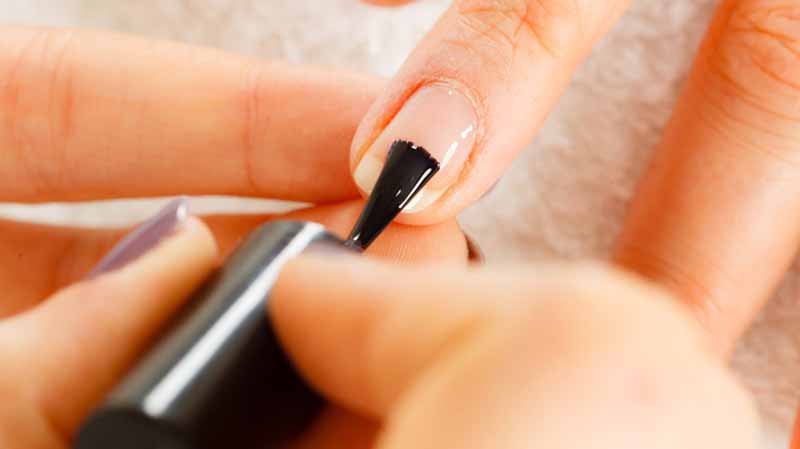
Top coat often gets overlooked. When you flip a bottle of polish upside down, there it is: the final step, sometimes treated as optional. But in professional nail care, top coat is the unsung hero. It‘s the difference between a manicure that smudges on the way to work and one that shines through a full week of typing, washing, and living.
What Is a Top Coat?
At its simplest, a top coat is a clear, unpigmented nail enamel applied as the last layer of any manicure. Unlike colored polish, which contains pigments that dull the final finish, a top coat is pure protection. It doesn‘t add color—it adds a durable, glossy (or matte) shell that locks everything underneath in place.
On a chemical level, top coats are formulated differently from base coats or colored polishes. They contain higher proportions of solvents so they dry quickly, and they’re packed with strength‑enhancing polymers designed to create a hard, scratch‑resistant surface. The result is a layer that feels smooth to the touch and reflects light nearly as well as glass.
Why Top Coat Is Non‑Negotiable
Skipping top coat means leaving your manicure exposed to everything: water, friction, accidental bumps, and the natural oils on your skin. Here‘s what you actually get when you don’t skip it.
It seals and protects. Top coat creates a physical barrier over your color. That barrier resists chipping, fading, and scratching, so your polish stays vibrant longer and doesn‘t dull after a few days. Whether you’re doing dishes, typing, or just living, that protective shell takes the damage instead of your color.
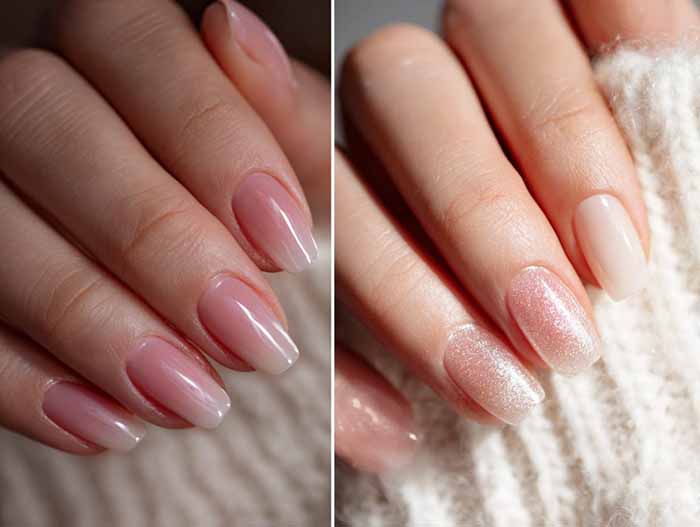
It adds mirror‑like shine. Colored polish contains pigments that naturally dull the finish. A top coat doesn‘t. The result is a glassy, reflective surface that gives even drugstore polish a salon‑quality look.
It smooths the surface. Uneven brushstrokes, minor texture, or glitter bumps all disappear under a layer of top coat. Your nails feel smooth to the touch and look professionally finished.
It locks in nail art. Any decoration you’ve applied—stamping, decals, chrome powder, glitter, dried flowers—needs a seal. Top coat bonds over these layers, preventing them from lifting or catching on clothing.
It extends wear dramatically. A manicure without top coat may start showing tip wear in a day or two. With top coat, many formulas extend wear to seven days or more, and gel top coats can keep your manicure chip‑free for up to four weeks.
When to Apply Top Coat
On regular nail polish. Apply top coat after your final color layer has dried completely. For best results, wait until the polish is touch‑dry but not fully cured, then apply one thin, even coat, covering the entire nail and capping the free edge (the tip). This seals the edge where water first enters and where chipping starts.
On gel polish. After your final gel color coat is cured, apply a thin layer of gel top coat and cure it under your UV/LED lamp. Gel top coats are formulated to cure hard and glossy, and they should never be mixed with regular polish products.
For maintenance. Even the best top coat wears down with daily activity. Reapplying a fresh layer every few days refreshes the shine, seals minor edge wear, and can add several days to your manicure’s life.
Can You Wear Top Coat Alone?
Yes—but it depends on what you want. Top coat alone won‘t protect against staining or provide the adhesion that colored polish needs. However, certain types of top coat are designed to be worn on their own for specific effects.
Clear, glossy top coat alone gives your natural nails a healthy, polished shine without any color. This is a popular “no‑polish” manicure for clean, groomed hands.
Matte top coat alone transforms the natural nail into a velvet‑soft, non‑reflective surface—an elegant, understated look that’s growing in popularity.
Effect top coats (holographic, shimmer, color‑shifting, glitter) are designed to be worn alone. A multichrome top coat, for example, can be built up in two to four coats to create a full, shifting color effect without any underlying polish.
Gel top coat alone applied over bare, prepped nails adds a durable, glossy shield that protects weak or peeling nails while they grow out.
That said, top coat alone does not provide the stain protection or adhesion that a base coat offers. If you wear top coat alone over bare nails, you may still experience yellowing from environmental factors or dark polishes previously worn without base coat.
Top Coat vs. Base Coat: They Are Not the Same
This is the most common confusion—and it‘s important to get right.
Base coat is formulated for adhesion. It contains polymers that are soft and sticky, designed to bond tightly to the natural nail plate while remaining slightly tacky so colored polish can grip it. A base coat dries to a matte, porous surface—not shiny, not hard.
Top coat is formulated for protection. It contains hard, scratch‑resistant polymers that create a slick, glossy shell. It is not designed to stick to the nail plate; it‘s designed to stick to the polish above it.
The two are not interchangeable. If you use top coat as a base coat, your polish won‘t adhere properly and will peel off in sheets. If you use base coat as a top coat, you’ll have a dull, soft, easily scratched surface that offers no protection. Products have different jobs for a reason.
Even within a single brand, gel top coats and gel base coats are completely different formulations. One is designed to be soft and adherent; the other is designed to be hard and glossy. Don‘t mix and match across brands unless the manufacturer explicitly says you can.
Gel vs. Regular Top Coat: Choose Your System
Regular (air‑dry) top coat is designed for use with traditional nail polish. It dries through evaporation and does not require a lamp. Apply one thin layer, let it dry, and you‘re done. Some quick‑dry formulas set in as little as 30 seconds.
Gel top coat must be cured under a UV or LED lamp. It creates a much harder, more durable finish that resists chipping for two to four weeks. Gel top coats are often “no‑wipe,” meaning they cure without a sticky residue, so you don‘t need to wipe with alcohol after curing.
You cannot use a regular top coat over gel polish—it won‘t adhere properly. You cannot use a gel top coat over regular polish—it won’t cure correctly. Stick to one system throughout your manicure.
The Bottom Line
Top coat isn’t an optional extra. It’s the reason some manicures look fresh on day seven while others show wear by lunchtime. From sealing color to adding gloss to extending wear by days or weeks, top coat turns a painted nail into a finished manicure. And in the world of professional nail care, that‘s the difference between “I painted my nails” and “I have a manicure.”
A good top coat doesn’t just sit on top of your work. It finishes it.
Got a top coat trick that transformed your manicure longevity? Share it in the comments — I’d love to hear what works for you.
Read also: Onycholysis: Why Nails Detach and How to Keep Them Healthy
One thought on “Why is the top coat an indispensable element of a manicure?”