You glance down at your nails and notice a strange white or yellow gap at the tip. The nail plate has lifted from the skin beneath it. This condition — onycholysis (pronounced on-ee-kol-uh-sis) — is surprisingly common. The good news? You can often prevent it and help your nails heal with the right care.
What Is Nail Detachment?
Onycholysis is the painless separation of the nail plate from the nail bed, usually starting at the tip and moving backward toward the cuticle. Once detached, the nail cannot reattach; a new one must grow in its place. Fingernails typically take four to six months to regrow fully, while toenails can require up to a year.
Why Do Nails Detach?
The most common cause — accounting for the majority of toenail cases — is physical trauma. Stubbing your toe, dropping something on your foot, or even repetitive pressure from tight shoes can pry the nail away from its bed.
Fungal infections are another major culprit. The lifted space beneath the nail traps moisture, creating a perfect environment for fungi to thrive. If you notice discoloration, thickening, or crumbling, infection may be present.
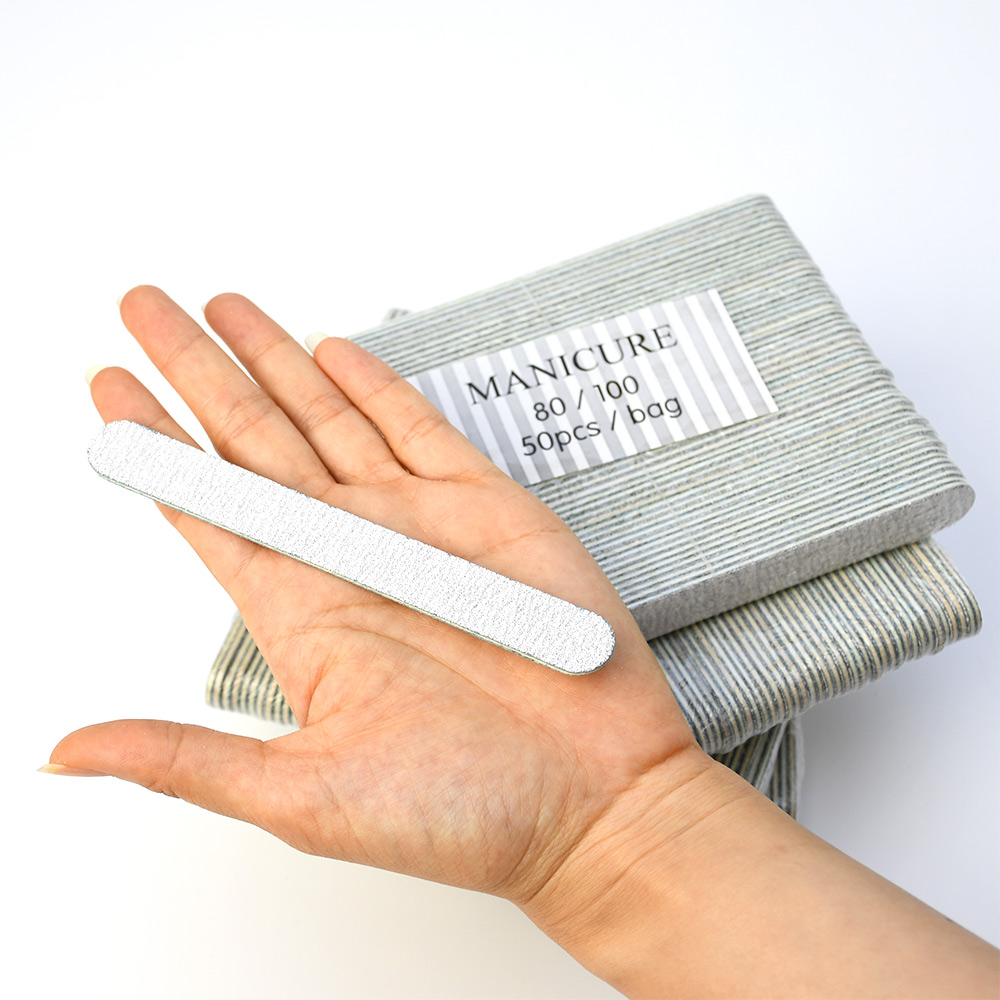
Repeated pressure from typing, tapping, or even picking at your nails can gradually break the natural seal and cause the nail to pull away. Aggressive nail filing or cleaning too deep under the nail can also contribute to the problem.
Nail cosmetics play a significant role as well. Gel and acrylic products contain chemicals called acrylates that can trigger allergic contact dermatitis. Symptoms include redness, itching, swelling around the nails, and — critically — onycholysis. Once an acrylate allergy develops, it is often permanent, so avoiding further exposure is essential.
Underlying health conditions can also cause nail separation. Thyroid disorders (both overactive and underactive), psoriasis (which affects roughly 50% of people with the skin condition), and iron deficiency or other nutritional insufficiencies are all linked to onycholysis. Poor nutrition, especially low levels of biotin, zinc, and protein, weakens the nail plate and makes it more vulnerable to detachment.
How to Prevent Nail Detachment?
Protecting your nails starts with smart daily habits. Wear properly fitted shoes with enough room in the toe box to prevent your toes from pressing against the front. For sports or yard work, consider protective footwear to guard against impact.
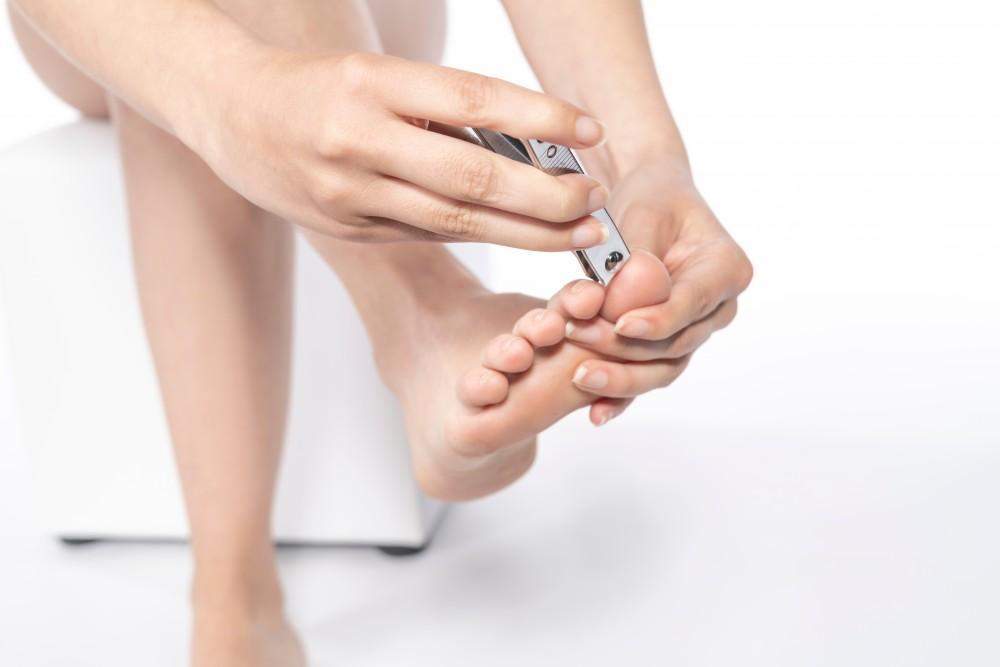
Keep your nails trimmed short and cut them straight across — never round the corners. Use clean, sharp tools, and never share clippers or nail files with others. Avoid cleaning aggressively under the nail plate with sharp objects.
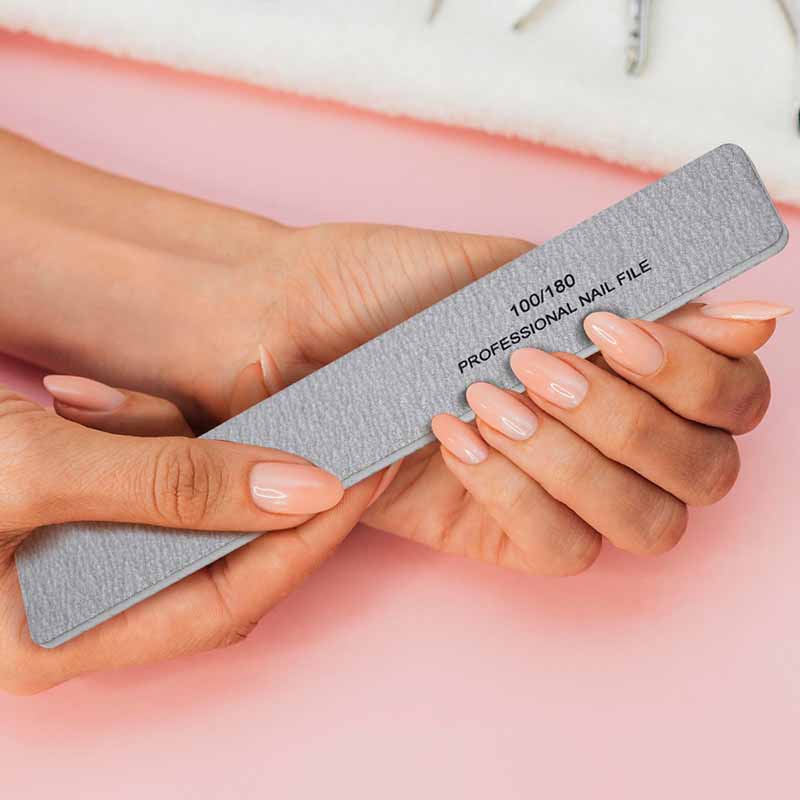
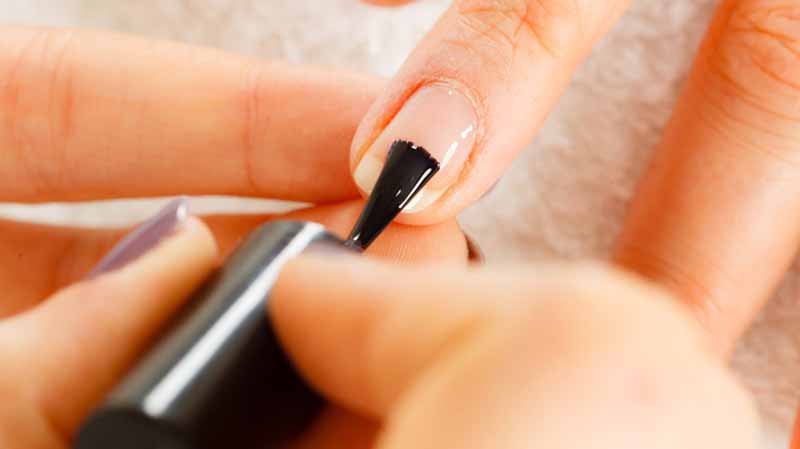
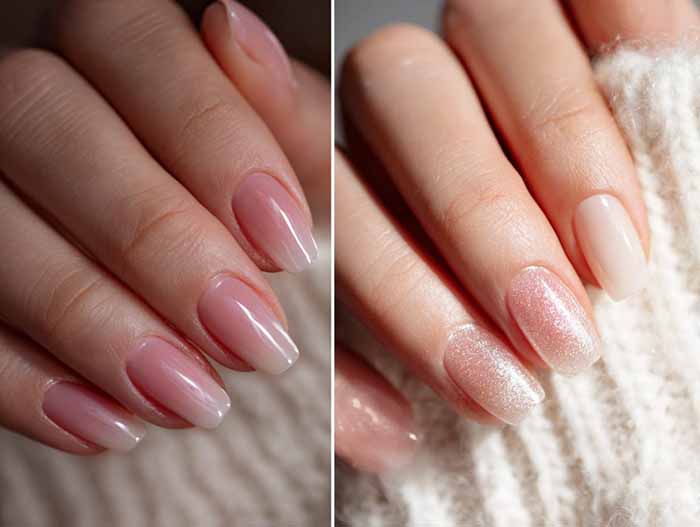
When it comes to manicures, gentle matters. Do not allow cuticles to be cut — pushing them back carefully is sufficient. Avoid aggressive buffing or filing that can thin the nail plate. Most importantly, if you wear gel or acrylic nails, watch for signs of lifting, redness, or itching. If you suspect an allergic reaction, remove the product immediately and take a long break.
If your nails have detached from cosmetic products, avoid all nail cosmetics and artificial enhancements for at least three months after the nail has fully regrown and reattached.
Nail Care and Prevention Tips
Give your nails a break from constant polish coverage. Allowing them to be bare for a few days each month helps you monitor their health and deeply moisturize them.
Hydrate your nails daily with cuticle oil or a rich hand cream. Pay special attention after washing your hands or showering.
Wear gloves when cleaning, washing dishes, or working with chemicals to shield your nails from harsh detergents and prolonged water exposure, both of which weaken the nail plate.
If you already have a detached nail, trim the lifted portion as short as possible. Keep the area clean and dry, and cover it with a bandage to prevent snagging and protect the exposed nail bed. See a doctor if you notice spreading redness, warmth, swelling, or discharge — these are signs of infection.
Read also: The Simple Snip: A Guide to Toenail Care Done Right