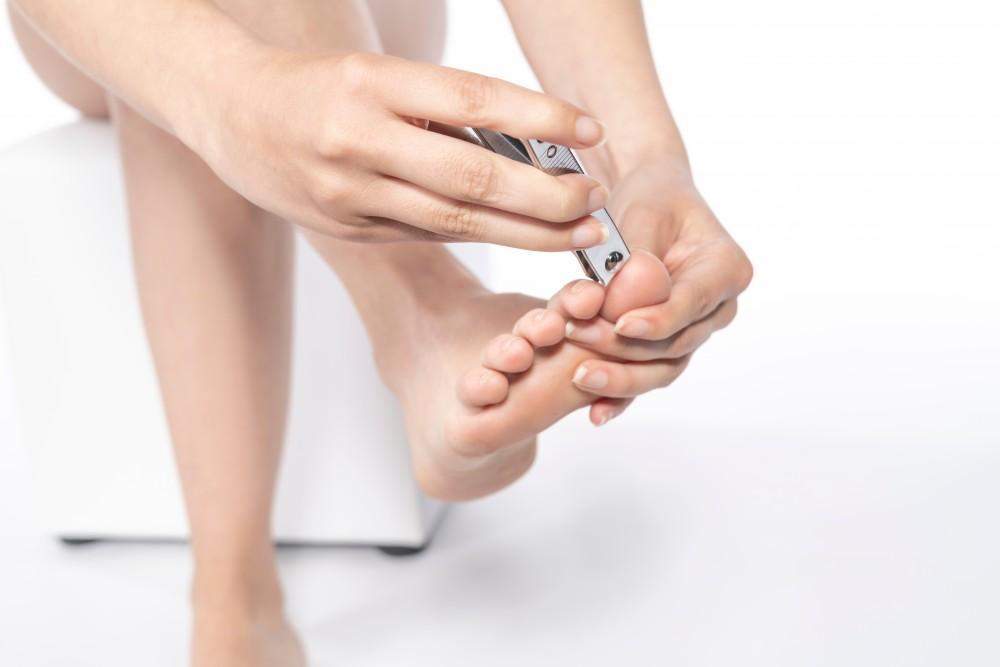
It’s a quiet Sunday evening. You settle into your favorite chair, reach for the closest pair of nail clippers—perhaps the same ones you use on your fingernails—and tuck your foot under your knee. With a few quick, forceful snips, you round off the corners of your toenails, feeling a fleeting sense of neatness. This familiar ritual, performed by millions, is often where the road to foot pain begins. What we dismiss as a mundane task holds surprising importance for our comfort, mobility, and overall foot health.
Many common, seemingly harmless habits lead to improper trimming. The most frequent offender is cutting the nails too short. Driven by a desire for “clean” nails or to prolong the time between trims, we cut them down to the quick, leaving the sensitive nail bed exposed. Another major mistake is shaping toenails into a rounded or oval curve, mimicking fingernails. This encourages the nail corners to grow inward into the soft skin of the nail grooves. Using inappropriate tools is a third culprit: blunt, rusty clippers that crush rather than cut cleanly, or fingernail clippers that are too small for thicker toenails, leading to jagged edges. Finally, “digging out” perceived ingrown corners with sharp tools is an aggressive behavior that almost always worsens the problem.
The consequences of these improper techniques are far from trivial. The most common is the painful and often inflamed ingrown toenail (onychocryptosis), where the sharp nail edge pierces the skin, leading to redness, swelling, and risk of infection. Nails trimmed too short lose their protective function, making the tender nail bed vulnerable to pressure from shoes, which can cause discomfort and even lead to thickening of the nail over time. Jagged edges left by poor clippers can become snagged on socks, leading to painful tears. In individuals with diabetes or poor circulation, these small injuries can escalate into serious infections and slow-healing wounds.
So, how should we trim our toenails? The golden rule is simple: cut straight across. Follow these steps for a proper pedicure:
1. Soften: The best time to trim is after a bath or shower when the nails are softer and more pliable.
2. Choose Your Tool: Use a proper, clean pair of toenail clippers. Their wider jaw is designed for the thicker toenail and provides the leverage needed for a clean, straight cut.
3. The Straight Cut: Position the clippers straight across the free edge of the nail. Do not follow the curve of your toe. Cut in several small snips rather than one forceful chop for better control.
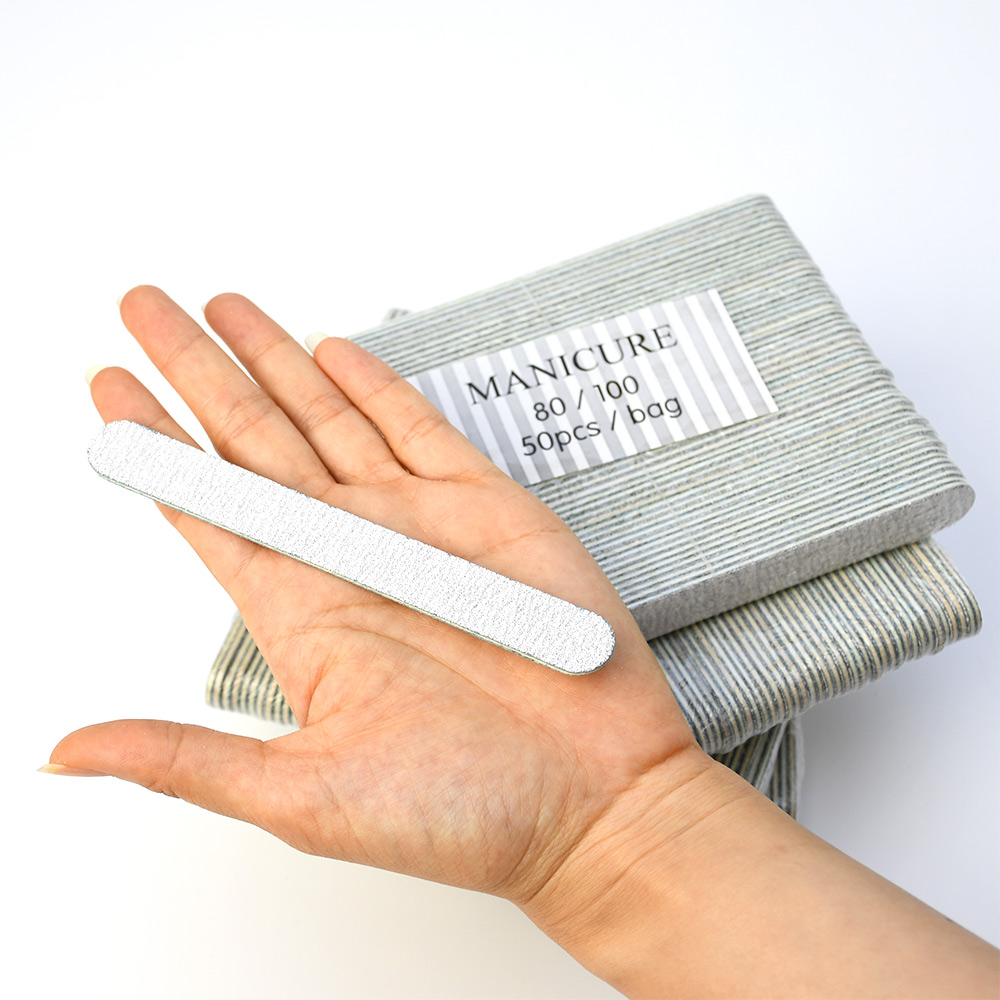
4. Smooth, Don’t Round: After cutting, use a nail file or emery board to gently smooth any sharp or jagged corners. File in one direction. The goal is to leave the corners visible and free, not tucked into the skin.
Beyond the monthly trim, daily care is essential. Keep feet clean and dry to prevent fungal infections. Moisturize your feet and cuticles regularly to prevent cracking, but avoid putting lotion between the toes where excess moisture can linger. Wear properly fitted shoes with enough room in the toe box to prevent constant pressure on the nails. Inspect your feet regularly, especially if you have any medical conditions affecting circulation or sensation. And finally, allow your toenails to breathe; constant wear of nail polish, especially without a protective base coat, can dry out and discolor nails.
Our feet carry us through life, yet we often neglect them until they protest. Trimming your toenails correctly is a small, simple act of preventative care—a five-minute investment in long-term comfort. By swapping rounded cuts for straight lines, reaching for the right tool, and granting our nails a little breathing room, we can avoid a world of unnecessary pain. So next time you pick up the clippers, remember: in foot health, the straight and narrow path is truly the best one to follow.
Read also: A Fresh Trick: Removing Nail Polish with Toothpaste